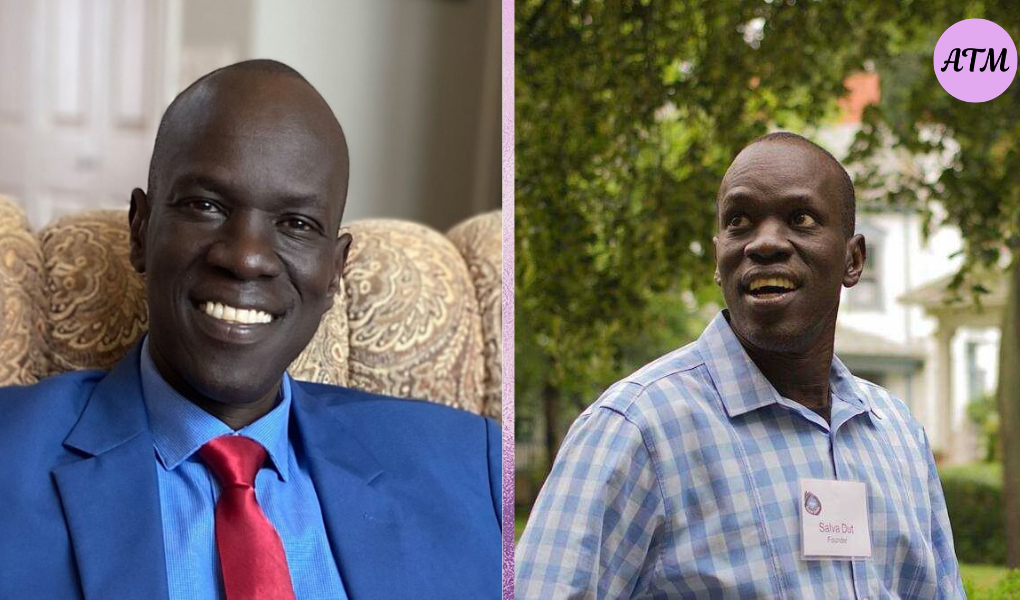
Salva Dut is a name closely tied to resilience, survival, and humanitarian impact. His life story begins in one of the most difficult chapters of modern African history—the Second Sudanese Civil War—and evolves into a mission that continues to save lives today through access to clean water in South Sudan.
Born in South Sudan around the mid-1970s (exact birth records are not publicly confirmed), Salva Dut became one of the thousands of displaced children known as the “Lost Boys of Sudan.” These children were forced to flee their homes due to conflict, many walking thousands of miles in search of safety. Salva’s journey, however, did not end in survival alone. It became the foundation for a lifelong mission of service.
Quick Bio
| Category | Details |
|---|---|
| Full Name | Salva Dut |
| Known For | Founder of Water for South Sudan, Lost Boy of Sudan |
| Nationality | South Sudanese-American |
| Birth Year | Circa 1974 (exact date not publicly confirmed) |
| Age | 51 Years Old (as of 2026) |
| Birthplace | South Sudan |
| Profession | Humanitarian, NGO Founder, Speaker |
| Organization | Water for South Sudan |
| Marital Status | Married |
| Children | Yes (limited public details) |
| Siblings | Not publicly known |
| Height | 5 feet 6 inches |
| Net Worth | Approximately $1.5 million |
| Residence | United States & South Sudan (work-based travel) |
| Social Media | No personal accounts; organization pages only |
| Famous Work | Clean water well projects across South Sudan |
| Books/Features | A Long Walk to Water (based on his life story) |
Early Life in South Sudan
Salva Dut was born in a rural region of South Sudan, a place where life was deeply connected to agriculture, cattle herding, and close-knit community traditions. Like many children in his region, his early life was shaped by simplicity and strong cultural roots.
Before the war disrupted his life, Salva lived a normal childhood surrounded by family and village life. However, limited infrastructure, education access, and healthcare resources were already challenges in the region. These conditions later became even more severe when conflict spread across the country.
While detailed records about his family remain private, it is known that his separation from them during the war was one of the most defining and painful parts of his early years.
The Hard Journey of the Lost Boys
The outbreak of the Second Sudanese Civil War forced millions to flee their homes. Among them was Salva Dut, who was still a child when he was separated from his family. This marked the beginning of an unimaginable journey.
Alongside thousands of other displaced boys, Salva walked for months across dangerous terrain—deserts, forests, and conflict zones—facing hunger, exhaustion, and uncertainty. Many children did not survive these journeys, making his survival even more remarkable.
These displaced youths became known globally as the Lost Boys of Sudan, symbolizing both tragedy and resilience. Salva’s experience during this time shaped his understanding of suffering and survival in a way that would later influence his humanitarian mission.
Life in Refugee Camps
After years of displacement, Salva eventually reached refugee camps, particularly in Kenya. Life in these camps was difficult but more stable than life on the run.
He spent years in camps where food, education, and shelter were limited but available in basic form. These camps became places where many Lost Boys slowly rebuilt their lives, learned English, and gained access to education.
For Salva, this period was not just about survival—it was about rediscovery. He began to understand the value of education and community, and he slowly developed the mindset that would later guide his future work.
New Life in the United States
Salva Dut’s life changed dramatically when he was resettled as a refugee in the United States. He was sponsored by a host family in New York, where he began adjusting to a completely new world.
The transition was not easy. He had to adapt to a new language, culture, food, and education system. Despite these challenges, Salva worked hard to integrate into American society while maintaining a strong connection to his homeland.
He completed his education and began thinking deeply about the situation in South Sudan. While life in the United States offered safety and opportunity, he never forgot the struggles of those left behind.
The Turning Point – Finding a Mission
The turning point in Salva Dut’s life came when he learned more about the ongoing water crisis in South Sudan. Many rural communities lacked access to clean and safe drinking water, forcing people—especially women and children—to walk long distances to collect contaminated water.
This realization deeply affected him. Having survived extreme hardship himself, he understood how something as basic as clean water could determine the difference between life and death.
This moment became the foundation of his mission: to bring safe water to his homeland and improve living conditions for future generations.
Founding Water for South Sudan
In 2003, Salva Dut founded Water for South Sudan, a nonprofit organization dedicated to drilling and maintaining clean water wells across rural regions of South Sudan.
The organization began with limited resources and significant challenges. Funding, logistics, and transportation in remote areas were major obstacles. However, Salva’s determination and personal connection to the cause helped the initiative grow steadily.
The first well projects were life-changing for local communities. For the first time, families had access to clean water within their villages, reducing the need for long and dangerous journeys.
Impact of Clean Water Projects
Over the years, Water for South Sudan has expanded its reach significantly. Hundreds of wells have been drilled across remote communities, transforming daily life for thousands of people.
Access to clean water has helped reduce waterborne diseases such as cholera and diarrhea, which were once common in rural regions. It has also improved education, as children—especially girls—no longer spend hours each day collecting water.
Beyond health improvements, clean water access has strengthened local economies and allowed communities to focus on farming, schooling, and development.
The organization also trains local technicians, ensuring that wells can be repaired and maintained sustainably, which strengthens long-term impact.
Salva Dut’s Leadership Style
Salva Dut is known for a leadership style rooted in humility and community connection. Rather than focusing on recognition, he emphasizes practical impact and long-term sustainability.
He often travels to South Sudan to personally visit project sites and engage with communities. His approach is collaborative, working closely with local leaders and engineers to ensure projects meet real needs.
This hands-on involvement reflects his belief that development must come from within communities, not just external aid.
Personal Life and Privacy
Salva Dut maintains a private personal life. He is married, though details about his spouse and children are not widely shared publicly. This privacy reflects his focus on humanitarian work rather than personal publicity.
Information about his siblings and extended family is also not publicly documented, as he keeps his family life away from media attention.
Age, Height, Physical Appearance, and Net Worth
Salva Dut’s age is 51 Years Old (as of 2026), based on historical timelines of the Lost Boys of Sudan.
His height 5 feet 6 inches. In public appearances, he is seen as having an average build with a calm and composed presence, often wearing simple, professional attire during speaking events.
His net worth is approximately $1.5 million, and there is no evidence suggesting significant personal wealth. As a nonprofit founder, his work is centered on fundraising and development rather than personal financial gain.
Social Media Presence
Salva Dut does not maintain a prominent personal social media presence. Instead, his work is represented through Water for South Sudan’s official platforms, including their website and organizational social media pages.
His story is also shared through interviews, documentaries, and educational programs rather than personal branding online.
Recognition and Cultural Impact
Salva Dut gained widespread recognition through the book A Long Walk to Water, which tells a fictionalized version of his journey based on real events. This book has been widely used in schools to teach resilience, empathy, and global awareness.
His story continues to inspire students, educators, and humanitarian organizations around the world. He is often invited to speak at events where he shares his journey and encourages action toward global water access.
Legacy of Salva Dut
The legacy of Salva Dut is deeply tied to transformation—turning personal hardship into global impact. From a displaced child in war-torn South Sudan to a humanitarian leader improving thousands of lives, his journey reflects the power of purpose-driven action.
His work continues to address one of the most fundamental human needs: clean water. Beyond infrastructure, his legacy is also about hope, dignity, and long-term change for communities that have long been underserved.
Conclusion
Salva Dut’s story is not just about survival; it is about what comes after survival. His life demonstrates how personal struggle can evolve into meaningful global contribution when guided by purpose and compassion.
Through Water for South Sudan, he continues to impact lives every day, ensuring that future generations do not face the same hardships he once endured. His journey remains a powerful reminder that one individual’s determination can create lasting change.
READ MORE: Bry Burrows: Career Path, Relationship, and Background
FAQs
Who is Salva Dut?
Salva Dut is a South Sudanese-American humanitarian and founder of Water for South Sudan.
What is Salva Dut known for?
He is best known for providing clean water access to rural communities in South Sudan and for being one of the Lost Boys of Sudan.
Is Salva Dut rich?
His personal net worth is not publicly known, as he works in the nonprofit sector.
Where does Salva Dut live?
He lives between the United States and South Sudan due to his humanitarian work.
Why is Salva Dut’s story important?
His story highlights resilience, displacement, and the importance of access to clean water in developing regions.