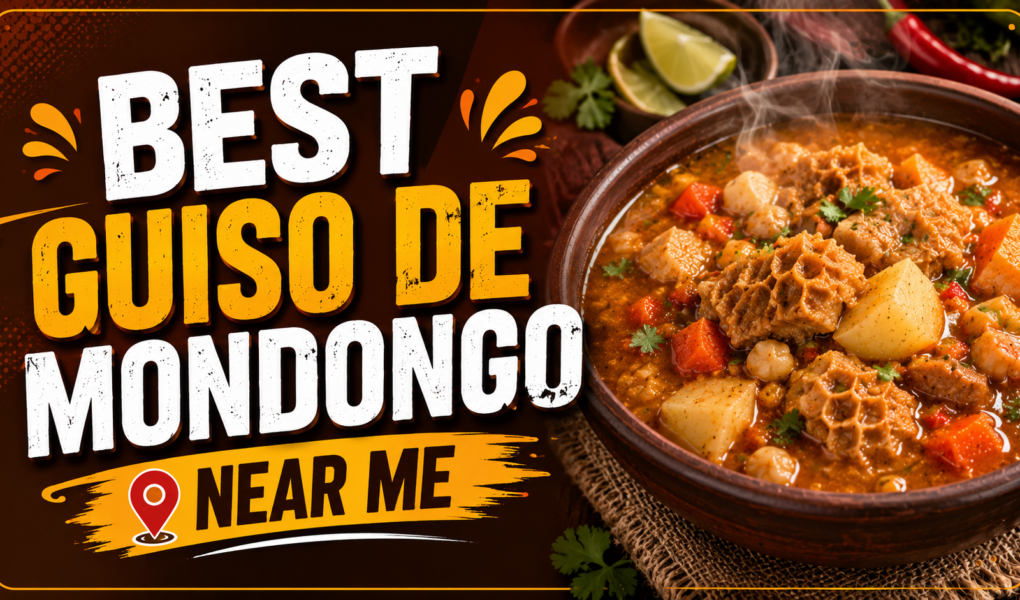
Finding the best guiso de mondongo near me has become a popular search among people who enjoy traditional Latin comfort food. This rich and flavorful dish is loved for its warm broth, tender ingredients, and deep homemade taste. In many Latin American homes, mondongo is more than just a meal because it represents family traditions, culture, and memories shared around the table. Whether served during cold weather or family gatherings, it continues to hold an important place in Caribbean and Latin cuisine.
Today, more food lovers are searching for authentic dining experiences instead of ordinary fast meals. That growing interest has made dishes like guiso de mondongo more popular in restaurants around the world. People who try it often appreciate the slow-cooked flavor and comforting texture that make the dish feel special. If you want to discover authentic mondongo near you, understanding what makes the dish great can help you choose the right restaurant.
Quick Details
| Details | Information |
|---|---|
| Keyword | Best Guiso de Mondongo Near Me |
| Dish Type | Traditional Latin American Stew |
| Main Ingredient | Beef Tripe (Mondongo) |
| Cuisine Origin | Caribbean & Latin American |
| Popular Countries | Puerto Rico, Dominican Republic, Colombia, Venezuela, Argentina |
| Flavor Profile | Rich, Savory, Hearty, Slow-Cooked |
| Common Ingredients | Tripe, Potatoes, Beans, Garlic, Onion, Peppers, Cilantro |
| Cooking Style | Slow-Cooked Stew or Soup |
| Best Served With | Rice, Plantains, Yuca, Avocado |
| Texture | Tender and Thick |
| Meal Type | Lunch or Dinner |
| Popular Season | Winter & Rainy Weather |
| Health Benefits | High Protein, Iron, Collagen, Filling Meal |
| Best Place to Find | Authentic Latin or Caribbean Restaurants |
| Search Intent | Local Food & Restaurant Search |
| Difficulty Level | Medium to Advanced Cooking |
| Average Cooking Time | 2 to 4 Hours |
| Traditional Serving Style | Family-Style Homemade Meal |
| Popular Among | Food Lovers & Comfort Food Fans |
| Online Search Trend | Growing Interest in Authentic Latin Cuisine |
What Is Guiso de Mondongo?
Guiso de mondongo is a traditional stew prepared mainly with beef tripe, vegetables, herbs, and spices. The word “mondongo” refers to tripe, while “guiso” means stew. Different countries prepare it in unique ways, but the heart of the recipe remains the same. Slow cooking is essential because it softens the tripe and allows the broth to absorb rich flavors from the seasonings and vegetables.
The dish is commonly made with onions, garlic, peppers, tomatoes, potatoes, carrots, beans, cassava, and cilantro. Some versions are thick like a stew, while others are lighter and more soup-like. Because of its filling ingredients and rich flavor, mondongo is often considered one of the most comforting meals in Latin American cuisine.
The History of Mondongo
Mondongo has deep cultural roots that connect Spanish, African, and Indigenous cooking traditions. Over many generations, families across Latin America created their own versions using local ingredients and regional cooking styles. As a result, the dish became an important part of cultural identity in countries such as Puerto Rico, the Dominican Republic, Colombia, Venezuela, and Argentina.
Originally, mondongo was considered an affordable meal that could feed large families while still providing strong nutrition. Over time, it evolved into a respected traditional dish enjoyed in homes and restaurants alike. Today, many people continue to prepare family recipes that have been passed down for decades, preserving the authenticity and emotional connection behind the meal.
Why People Love Mondongo
One reason people love mondongo is its rich and comforting flavor. Because the dish cooks slowly for several hours, the ingredients blend together perfectly, creating a savory broth with deep seasoning. The combination of tender tripe, vegetables, herbs, and spices makes every spoonful warm and satisfying.
Another reason for its popularity is the emotional connection many people have with the dish. For some families, mondongo represents childhood memories, weekend meals, and family celebrations. Even people trying it for the first time often appreciate the homemade quality that makes it feel authentic and comforting compared to many modern restaurant dishes.
Different Types of Mondongo
Puerto Rican-style mondongo usually includes sofrito, root vegetables, and mild seasoning. This version is hearty but balanced, making it popular among people who enjoy rich yet comforting flavors. Dominican mondongo often contains stronger herbs and spices, giving the dish a bolder and more intense taste.
Argentine mondongo is typically thicker and includes beans, sausage, and vegetables, making it perfect for winter meals. Colombian and Venezuelan versions are often closer to soup and may include corn, potatoes, and cilantro. Trying different styles can help you discover which regional version best matches your taste preferences.
What Makes a Great Guiso de Mondongo?
The quality of the tripe is one of the most important factors in making good mondongo. Proper cleaning and preparation help remove unwanted odor and improve texture. Experienced cooks know how to prepare tripe carefully so it becomes soft, tender, and flavorful after slow cooking.
Seasoning also plays a major role in the final taste of the dish. Fresh garlic, onions, cilantro, peppers, and tomatoes create a rich flavor that feels homemade and authentic. A well-prepared broth should taste balanced and deep without being overly salty or greasy. Cooking time is equally important because rushed mondongo often lacks tenderness and flavor.
How to Find the Best Guiso de Mondongo Near Me
One of the easiest ways to find authentic mondongo is by searching online reviews and restaurant recommendations. Google Maps, food apps, and restaurant websites often include customer photos, ratings, and menu details that help you compare local options. Reviews mentioning homemade flavor, tender tripe, or traditional recipes are usually good signs.
Another useful strategy is looking for family-owned Latin American restaurants. Smaller businesses often prepare recipes passed down through generations, which can provide a more authentic experience. Social media platforms like Instagram, TikTok, and Facebook can also help you discover hidden local spots that specialize in traditional Caribbean or Latin comfort food.
Signs of an Authentic Mondongo Restaurant
Authentic restaurants usually focus on traditional cooking instead of quick preparation. A restaurant that serves homemade soups, stews, and classic Latin dishes is more likely to offer high-quality mondongo. Menus featuring plantains, yuca, rice, mofongo, or empanadas often suggest deeper cultural authenticity.
Customer feedback is another important sign. Reviews describing rich broth, fresh ingredients, and authentic seasoning can help identify restaurants that truly care about quality. Family-owned establishments also tend to create a welcoming atmosphere that reflects the cultural warmth associated with traditional Latin cooking.
Health Benefits of Mondongo
Many people are surprised to learn that mondongo contains several nutritional benefits. Tripe is rich in protein, collagen, iron, and zinc, while vegetables add fiber and vitamins. When prepared with fresh ingredients, the dish can provide balanced nutrition while still feeling comforting and filling.
Because it is high in protein, mondongo may help support muscle maintenance and energy levels. Vegetables such as carrots, potatoes, peppers, and beans also contribute important nutrients. However, some recipes contain extra sodium or fatty ingredients, so moderation remains important for maintaining a healthy diet.
Homemade vs Restaurant Mondongo
Homemade mondongo is often valued for its personal touch and family tradition. Many families use secret seasoning blends and cooking methods passed down through generations. Preparing mondongo at home also allows people to customize ingredients and flavors according to their preferences.
Restaurant mondongo, however, can offer consistency and professional preparation. Skilled chefs who specialize in traditional cuisine often spend years perfecting their recipes. Dining at an authentic restaurant also creates an opportunity to experience cultural atmosphere and regional cooking styles that may differ from homemade versions.
Best Side Dishes with Mondongo
White rice is one of the most common side dishes served with mondongo because it absorbs the flavorful broth and balances the richness of the stew. Fried plantains are another favorite because their sweetness pairs well with the savory seasoning of the dish.
Many restaurants also serve avocado, salad, yuca, or cornbread alongside mondongo. Lime and hot sauce are popular additions for people who enjoy stronger flavors. These simple side dishes help create a more complete and satisfying meal experience.
Tips for First-Time Mondongo Eaters
If you are trying mondongo for the first time, it is important to understand that tripe has a unique texture compared to regular beef. When prepared correctly, however, it becomes soft and tender rather than chewy. Choosing a restaurant known for authentic preparation can greatly improve your first experience.
Starting with a mild version may also help beginners enjoy the dish more comfortably. Puerto Rican-style mondongo is often considered a good introduction because the flavors are balanced and not overly spicy. Pairing the stew with rice or plantains can also make the meal more approachable for first-time diners.
Why Mondongo Remains Popular
Despite changing food trends, mondongo continues to remain popular because of its cultural importance and comforting flavor. Families across Latin America still prepare the dish during holidays, weekends, and gatherings, helping preserve traditional recipes and cooking methods.
Another reason for its lasting popularity is the growing global interest in authentic international cuisine. Food lovers today are more willing to explore traditional dishes that tell a cultural story. Mondongo offers a rich combination of flavor, history, and homemade warmth that continues to attract new fans around the world.
Fun Facts About Mondongo
One interesting fact about mondongo is that every country prepares it differently, making it one of the most diverse dishes in Latin cuisine. Some recipes are thick and stew-like, while others are lighter and served as soup with vegetables and herbs.
Another fun fact is that mondongo is often considered a comfort meal during cold weather or rainy days. Many families prepare large portions for gatherings because the dish can feed many people at once. Some traditional recipes even require several hours of slow cooking to achieve the perfect texture and flavor.
Conclusion
Finding the best guiso de mondongo near me is about more than simply locating a restaurant. It is about discovering authentic flavor, cultural tradition, and homemade comfort food that has been enjoyed for generations. A well-prepared bowl of mondongo reflects patience, quality ingredients, and deep culinary heritage.
Whether you enjoy Puerto Rican, Dominican, Colombian, Venezuelan, or Argentine styles, each version offers something unique. By checking reviews, exploring local Latin restaurants, and paying attention to authenticity, you can discover truly memorable mondongo that delivers both flavor and cultural experience.
READ MORE: 6 Mafia Meaning and Its Connection to Three 6 Mafia Explained in Detail
FAQs
What is guiso de mondongo made of?
Guiso de mondongo is usually made with beef tripe, vegetables, herbs, spices, and broth. Common ingredients include onions, garlic, peppers, potatoes, carrots, beans, and cilantro.
What does mondongo taste like?
Mondongo has a rich and savory flavor with a slow-cooked broth. The texture of the tripe becomes tender when prepared properly, creating a hearty and comforting meal.
Is mondongo healthy?
Mondongo can provide protein, collagen, iron, and vitamins from vegetables. The overall health value depends on preparation style and ingredient quality.
Which country is famous for mondongo?
Puerto Rico, the Dominican Republic, Colombia, Venezuela, and Argentina are all known for their own traditional versions of mondongo.
How can I find authentic mondongo near me?
Look for family-owned Latin American restaurants, read customer reviews, check online photos, and search for places specializing in Caribbean or Hispanic cuisine.