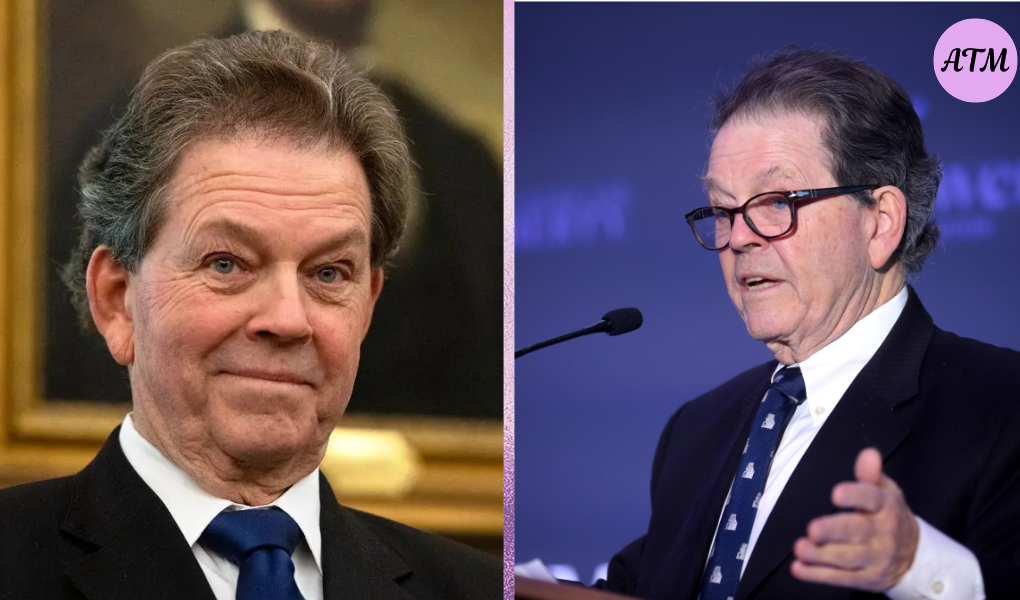
Art Laffer is an American economist widely recognized for shaping modern discussions on taxation and economic growth. He is best known for introducing the idea that tax rates can influence government revenue in non-linear ways, a concept that became central to supply-side economic thinking.
Over several decades, his work has influenced academic debates and government policy discussions. His ideas have been referenced in major economic reforms, particularly in the United States, where tax structure and economic incentives remain central political topics.
Quick Bio
| Field | Details |
|---|---|
| Full Name | Arthur Betz Laffer |
| Known As | Art Laffer |
| Date of Birth | August 14, 1940 |
| Age | 85 years (as of 2026) |
| Birthplace | Youngstown, Ohio, United States |
| Nationality | American |
| Profession | Economist, Author, Policy Advisor |
| Famous For | Laffer Curve, Supply-Side Economics |
| Education | Yale University, Stanford University |
| Height | Around 5 ft 10 in (178 cm) |
| Marital Status | Married |
| Spouse | Jan Laffer |
| Net Worth | $74 million (estimated) |
| Notable Award | Presidential Medal of Freedom (2019) |
| Social Media | Not actively present personally |
Early Life and Background
Arthur Betz Laffer was born on August 14, 1940, in Youngstown, Ohio. He grew up in an environment that valued education and analytical thinking, which later shaped his academic interests in economics and public policy.
Although detailed public information about his family background remains limited, his early years were marked by curiosity about how systems and economies function. This early interest eventually guided him toward formal studies in economics.
Education and Academic Journey
Laffer began his higher education at Yale University, where he studied economics and developed a strong foundation in economic theory. His academic performance and interest in market systems set the stage for advanced studies.
He later pursued graduate education at Stanford University, earning both a master’s degree and a doctorate in economics. During this time, he engaged with leading economic thinkers and refined the ideas that would later define his career.
Career Beginnings in Economics
Laffer’s early career was rooted in academia, where he taught economics and conducted research at respected institutions. His work focused on understanding how taxation and incentives influence economic behavior.
He gradually transitioned from purely academic work into policy advising. This shift allowed him to apply theoretical insights to real-world economic challenges and engage directly with policymakers.
The Laffer Curve Explained
The Laffer Curve is the most well-known contribution of Art Laffer. It presents the idea that tax rates and government revenue do not always move in the same direction and that both very low and very high tax rates can lead to reduced revenue.
This concept suggests that there is an optimal tax rate where government revenue is maximized. While widely discussed, the exact position of this balance point remains a subject of debate among economists.
Role in U.S. Economic Policy
Laffer’s ideas gained significant attention during the late twentieth century, especially in connection with economic policies in the United States. His thinking contributed to discussions around tax reductions and economic stimulation.
He served as an advisor during the Reagan era, where supply-side economic principles gained influence. His work helped shape conversations about how tax policy could be used to encourage investment and growth.
Major Achievements and Recognition
Throughout his career, Art Laffer has received recognition for his contributions to economic thought and public policy. His influence extends across academic institutions, government advisory roles, and policy organizations.
One of his most notable honors is the Presidential Medal of Freedom, awarded in 2019. This recognition highlights his long-term impact on economic policy discussions in the United States.
Books, Publications, and Thought Leadership
Laffer has contributed to economic literature through books, research papers, and commentary on fiscal policy. His writing often focuses on taxation, economic incentives, and government revenue systems.
Beyond formal publications, he has participated in conferences and media discussions where he shares insights on economic trends. His work continues to influence both academic research and policy debates.
Net Worth and Financial Overview
Art Laffer’s net worth is estimated to be between $74 million (estimated). His financial success is the result of decades of consulting, advisory roles, and professional speaking engagements.
In addition to consulting work, he has earned income through publications and participation in economic forums. Despite his financial success, he is not known for an extravagant lifestyle.
Personal Life and Family
Art Laffer is married to Jan Laffer, and together they have children. He has maintained a relatively private family life, keeping personal matters away from public attention.
Information about his siblings and extended family is limited, as his public presence has primarily focused on his professional work in economics and policy development.
Physical Appearance and Lifestyle
Art Laffer stands at approximately five feet ten inches tall. His appearance reflects a traditional academic style, often seen in formal attire during public events and conferences.
His lifestyle is centered around professional engagement rather than public celebrity culture. He continues to participate in economic discussions, advisory work, and speaking events.
Social Media and Public Presence
Unlike many modern public figures, Art Laffer does not maintain an active personal presence on social media platforms. His influence is primarily transmitted through institutional channels and media appearances.
His ideas are frequently discussed in academic circles, news outlets, and policy forums. This indirect form of presence has allowed his work to remain focused on ideas rather than personal branding.
Legacy and Influence on Modern Economics
Art Laffer’s legacy lies in his influence on how economists and policymakers think about taxation and incentives. His ideas have shaped discussions on how government policy affects economic growth.
Even decades after the introduction of the Laffer Curve, his work continues to be referenced in debates about fiscal policy. His influence remains present in both academic and political environments.
Controversies and Criticism
While widely recognized, Laffer’s ideas have also faced criticism from some economists. Debates continue regarding the practical application of the Laffer Curve in real-world tax policy.
Critics argue that identifying optimal tax rates is complex and context-dependent, while supporters maintain that his framework provides valuable insight into economic behavior and incentives.
Conclusion
Art Laffer remains an important figure in modern economic thought, known for bridging academic theory and public policy. His contributions have influenced decades of debate on taxation and economic growth.
His work continues to be studied and discussed, ensuring his place in the ongoing conversation about how economic systems function and how policy decisions shape national prosperity.
READ MORE: Nicole Merry: Biography, Personal Life, and Key Details
(FAQs)
What is Art Laffer known for?
He is best known for the Laffer Curve, a theory explaining how tax rates can affect government revenue and economic behavior.
How old is Art Laffer?
He was born on August 14, 1940, making him 85 years old as of 2026.
What is Art Laffer’s net worth?
His estimated net worth is between 15 million and 20 million dollars, earned through consulting, advisory work, and publications.
Is Art Laffer still active in economics?
Yes, he continues to participate in economic discussions, advisory roles, and public policy conversations.
What is the Laffer Curve in simple terms?
It is an economic idea that shows how both very high and very low tax rates can lead to lower government revenue, with an optimal point in between.