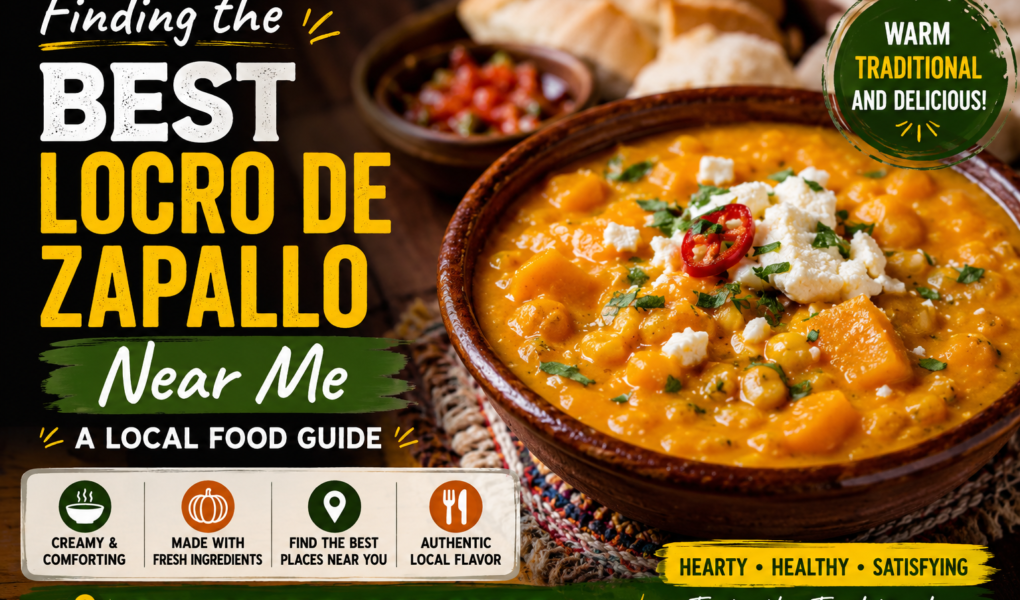
Locro de zapallo is a traditional Andean dish known for its warm, creamy texture and comforting flavor profile. It is prepared mainly with squash, which gives it a naturally smooth and slightly sweet base, combined with ingredients such as potatoes, corn, onions, garlic, and regional spices. Over time, different regions have adapted the recipe, but the heart of the dish remains focused on simple, wholesome ingredients that come together slowly through gentle cooking.
People often search for the best locro de zapallo near them when they are looking for a meal that feels both filling and familiar. It is especially popular in colder weather because of its rich consistency and warming qualities. The dish is widely enjoyed across Andean regions and has also gained recognition in international food scenes where traditional comfort meals are appreciated.
Quick Details
| Category | Details |
|---|---|
| Dish Name | Locro de Zapallo |
| Origin | Andean regions (Peru, Ecuador, Bolivia, Argentina) |
| Main Ingredient | Squash (Zapallo) |
| Taste Profile | Creamy, slightly sweet, savory |
| Serving Style | Hot stew in bowl |
| Best Time to Eat | Cold or rainy weather |
| Cuisine Type | Traditional South American comfort food |
| Common Add-ons | Cheese, milk, corn, potatoes |
Cultural Roots and Background
Locro de zapallo has deep cultural roots in the Andean region, where ancient communities depended on crops like squash, maize, and potatoes for daily nourishment. These ingredients formed the foundation of many traditional meals, and locro developed as a shared dish that brought people together through communal cooking and eating practices. Its origins reflect a strong connection between land, agriculture, and food traditions.
As centuries passed, the dish evolved with new influences and ingredients, including dairy products introduced through cultural exchange. Despite these changes, it maintained its identity as a simple yet meaningful meal. In many regions today, it continues to represent heritage and tradition, often prepared during family gatherings or seasonal celebrations that highlight cultural pride.
What Makes a Good Locro de Zapallo
A good locro de zapallo is defined primarily by its texture and balance of flavor. The consistency should be creamy and smooth without becoming too heavy or watery. The squash plays an important role in creating a natural thickness, while potatoes add body and corn brings subtle sweetness. When prepared properly, these elements blend into a comforting and well-rounded dish.
Flavor harmony is equally important in creating a memorable version of this meal. Garlic, onions, and spices should enhance the natural taste of the vegetables without overpowering them. Some variations include cheese or milk, which can add richness when used in moderation. The best versions often feel homemade, as slow cooking allows the ingredients to develop deeper and more satisfying flavors.
Finding the Best Locro de Zapallo Near You
Searching for the best locro de zapallo near you often leads to discovering small restaurants or family-run kitchens that specialize in traditional cooking. These places usually focus on authentic recipes passed down through generations, offering a more personal and homestyle dining experience. In many cases, the dish is prepared fresh in small batches to preserve its natural flavor and texture.
Cultural food markets and regional eateries are also common places where locro can be found. These environments often reflect the diversity of local cuisine and may serve the dish during specific days or seasonal events. The experience of finding it locally is often about exploring hidden culinary spots where tradition is preserved through simple but carefully prepared meals.
Variations You May Encounter
Locro de zapallo appears in several variations depending on regional preferences and available ingredients. The classic version focuses on squash, potatoes, and corn, creating a naturally creamy and vegetable-rich base. Some versions include cheese or milk to enhance richness, while others keep the recipe entirely plant-based for a lighter and more natural flavor profile.
In certain areas, spices or additional vegetables may be added to adjust the taste and depth of the dish. These adaptations reflect local cooking styles and personal family recipes. Despite these differences, the essence of locro de zapallo remains consistent, offering a comforting and nourishing meal that highlights the natural sweetness of squash.
Taste and Dining Experience
The taste of locro de zapallo is best described as smooth, mildly sweet, and savory at the same time. The squash provides a soft base flavor, while other vegetables contribute depth and texture. When served hot, the dish creates a comforting sensation that makes it especially enjoyable during cool or rainy weather.
Dining on locro is often a simple yet satisfying experience. It is typically served in a bowl and enjoyed as a main meal, sometimes accompanied by bread or rice depending on local customs. The slow-cooked nature of the dish allows each spoonful to feel rich and balanced, making it more than just food but also a comforting moment.
How to Choose a Good Place
Choosing a good place for locro de zapallo often depends on attention to detail and subtle indicators of quality. Restaurants that emphasize fresh ingredients and traditional preparation methods are more likely to serve an authentic version. The overall atmosphere can also provide clues, as smaller and family-owned establishments often prioritize flavor over presentation.
Customer feedback plays an important role in understanding the quality of a place. Positive experiences often mention creamy texture, balanced seasoning, and homemade taste. When multiple visitors describe similar qualities, it becomes easier to identify reliable spots that maintain the integrity of this traditional dish.
Tips for First Time Experience
For those trying locro de zapallo for the first time, it is helpful to approach it with an open mind regarding texture and flavor. The dish is thicker than typical soups and is meant to feel hearty and filling. Allowing time to appreciate its warmth and depth can enhance the overall experience.
It can also be enjoyable to try different versions before deciding on a preferred style. Some people enjoy richer, creamier variations, while others prefer lighter vegetable-forward versions. Pairing it with simple sides or enjoying it on its own helps in understanding its traditional character and comforting nature.
Final Thoughts
Locro de zapallo represents more than just a meal; it reflects tradition, culture, and a deep connection to Andean culinary heritage. Its simple ingredients come together to create something warm, nourishing, and emotionally satisfying. Finding it near you often becomes a small journey into discovering authentic flavors and local food culture.
Whether enjoyed in a traditional restaurant or a modest family kitchen, locro de zapallo continues to offer a sense of comfort and familiarity. Its enduring presence in different regions shows how a simple dish can carry meaning, history, and warmth across generations and locations.
READ MORE: Best Pollo al Chilindrón Near Me for a Real Taste of Spanish Cooking
FAQs
What is locro de zapallo made of?
Locro de zapallo is mainly made from squash (zapallo), potatoes, corn, onions, garlic, and spices. Some variations also include cheese or milk to create a richer and creamier texture.
Is locro de zapallo healthy to eat?
Yes, it is considered a nutritious dish because it contains vegetables like squash and potatoes, which provide fiber, vitamins, and natural energy. It can be part of a balanced diet when eaten in moderate portions.
Where can I find authentic locro de zapallo near me?
Authentic versions are usually found in South American or Latin American restaurants, especially those focusing on traditional Peruvian or Ecuadorian cuisine. Family-run kitchens and cultural food markets are also good options.
Is locro de zapallo vegetarian?
In many traditional recipes, locro de zapallo is vegetarian because it is made with vegetables and dairy products. However, some regional variations may include meat or animal-based broth, so it is best to check with the restaurant.
What does locro de zapallo taste like?
It has a creamy, smooth texture with a mild sweetness from the squash and a savory depth from spices and aromatics. The overall taste is warm, comforting, and slightly rich.